
Robocalls, text, and phone scams are on the rise this year. Suppose you’re not familiar with these terms. In that case, it’s just a simple way of saying that scammers are trying to trick you into giving them your money or personal information by calling, messaging, or emailing to say they’re somebody else.
The reason why Robo-call scams are on the rise is that their originating calls are blocked or spoofed. Robo-callers usually scam by claiming to be the IRS, your tax preparer, an attorney, a security company, or just about anybody else that might call you with bad news. They can use local area codes too!
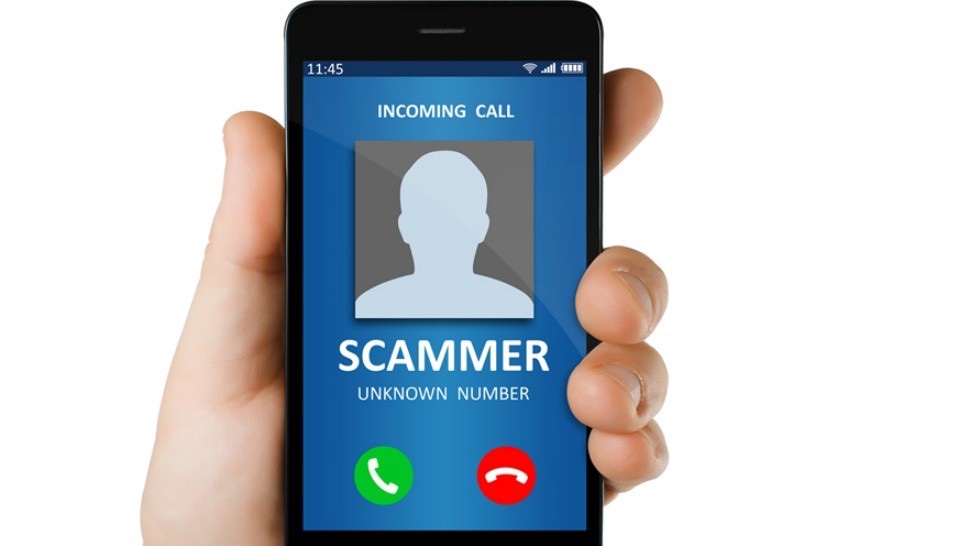
If they’re lucky enough to get you on the phone (not so hard these days with the proliferation of Caller ID spoofing), they might tell you that you owe money on taxes, or perhaps you’re due a refund. Sometimes these calls are meant to try and get your credit card number too!
The IRS scam where you get a call, usually from India, saying that you owe money on your taxes is probably the most common one you’ll ever encounter. Usually, there’s some sort of time pressure to “pay up” or face arrest, deportation, or loss of job.

The IRS doesn’t work like this, though, so if they’re lucky enough to get you on the phone, they might ask for your credit card number. If you do give them a fake one, the next day, a charge for a small amount might show up on your bill, and then you’ll have to straighten that out with your credit card company.
Here is a list of the current scams going around right now, as well as some resources to help you know if a call is real or not. IRS Scams – Robocalling from India saying that you owe money on your taxes and will be arrested or deported if you don’t pay up quickly. They usually prey on people who are expecting a refund and use the time pressure tactic to try and get your credit card number. They’ll say they need it right away, but don’t give them anything!
The student loan scam: Usually the same as the IRS but contends that you owe money because of a student loan. These are usually fake, too, so don’t get scared by their messages!
The Microsoft support scam: Sometimes these come out of India, sometimes they’re local. The person on the other end will say that your computer has been hacked or has viruses, and they can fix it for you. Don’t fall for this; ask them to restart your computer instead – if at any time they start asking for personal information or credit card numbers, hang up immediately!
The family emergency scam: Usually, someone claiming to be a family member will call you in an emergency, pretty much constantly, when money is involved. They’ll say they need to borrow money from you, or that there’s been an accident and they need your help.
The credit card interest rate scam: Someone claiming to be a representative of your credit card company might call or message saying that their records show that you missed a payment, resulting in them raising the interest rate by some exorbitant amount. They’ll also usually say that you need to pay it all off immediately or face legal action. This is not true and never happens!
The package delivery scam: There are a couple of variations to this one, but usually, they’re asking for your credit card info so that you can pay for the shipping costs on some package you’ve supposedly won. They will say something like they need it right away to ensure the box gets there on time. This is not true and never happens!
Did you know that some of these scammers can be sued in violation of the TCPA (Telephone Consumer Protection Act)? If you receive one of these calls, make sure to hang up and file a complaint with the FTC .
If you get any of these calls or similar ones where someone is asking for your information or credit card number, do not give it to them no matter how convincing they sound! These scammers can be challenging to report, but here are some resources that might help
FTC Complaint Assistant – This can help you file a complaint with the FTC, so all your information is together if it needs to be reported. Also, once you have filed a complaint, someone will automatically contact you from the FTC within 30 days of filing. They will try to offer you the best way to deal with the problem
Do Not Call Registry: This is a public site where people can register their phone numbers from receiving unsolicited telemarketing calls. The FTC uses this list for warnings and investigations, so by registering your number, you’re helping protect others as well as yourself! Be sure to document any cell phone numbers or other phone numbers you don’t want to receive calls from. Here’s the formula on how to beat them at their own game. First, if you get a phone call, answer it. Get as much info as possible, like the company’s name, time, and date of call or text. Then if you think you have the companies name, look at that state’s Secretary of State website.
Find the companies info like the registered agent. That’s the person who needs to be served your legal papers. Gather all the information on the company and figure out how much they might owe you concerning the penalty of the TCPA law. Then take court action. There’s a good chance the attorney for the other side will call you to negotiate a settlement.
 John Que Public